
What I'm Reading: July 2026
Plus an upcoming webinar in August for school leaders
👋 Hi, it’s Matt. I am taking a break from this newsletter for a couple of weeks. I hope you can find time for yourself too! Below are my favorite books so far this year, along with a reflection on my reading life.
Take care,
-Matt
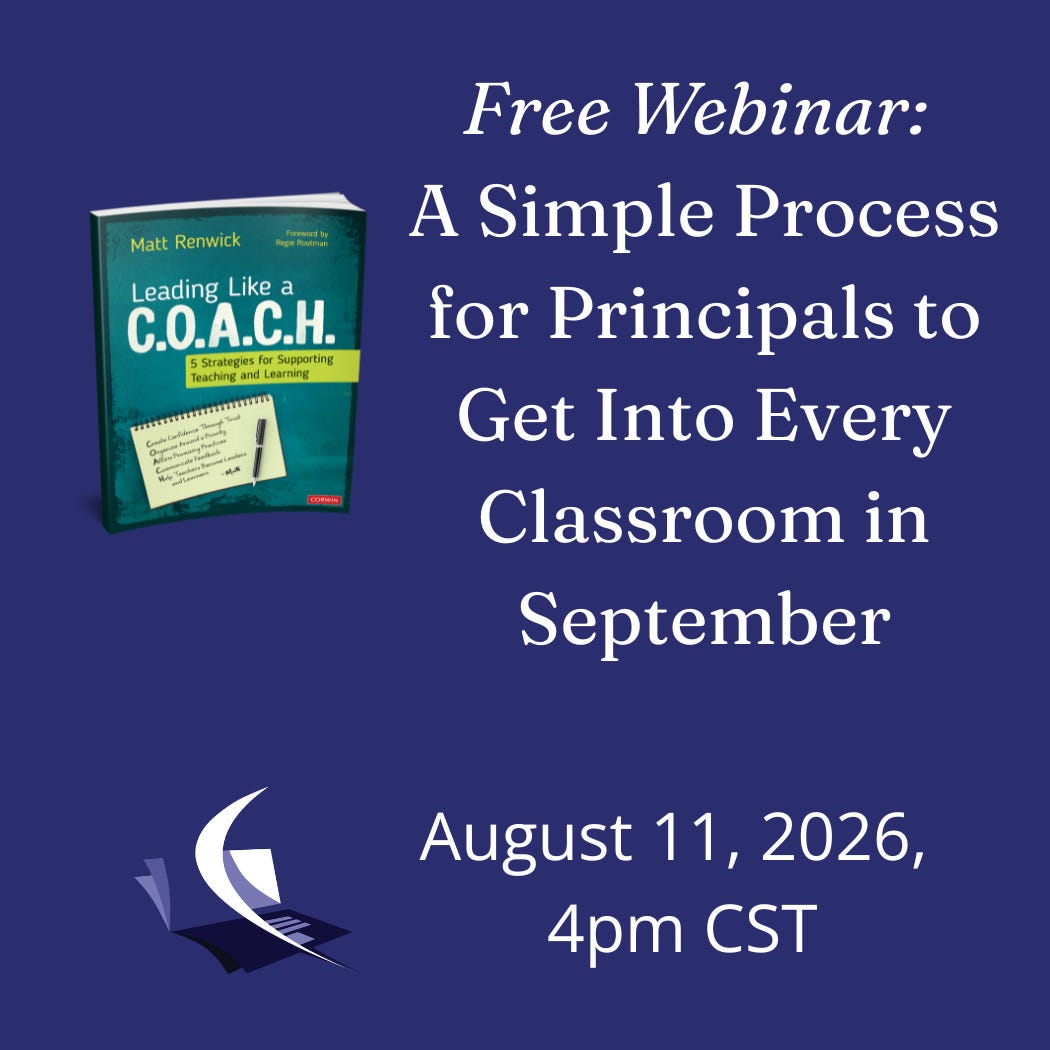
P.S. If you are a principal, or you know a school leader who wants to get into classrooms more, I am hosting a free webinar on August 11, 2026 at 4pm CST. RSVP here or below. (A cohort-based course to continue the learning will be offered at the end.)
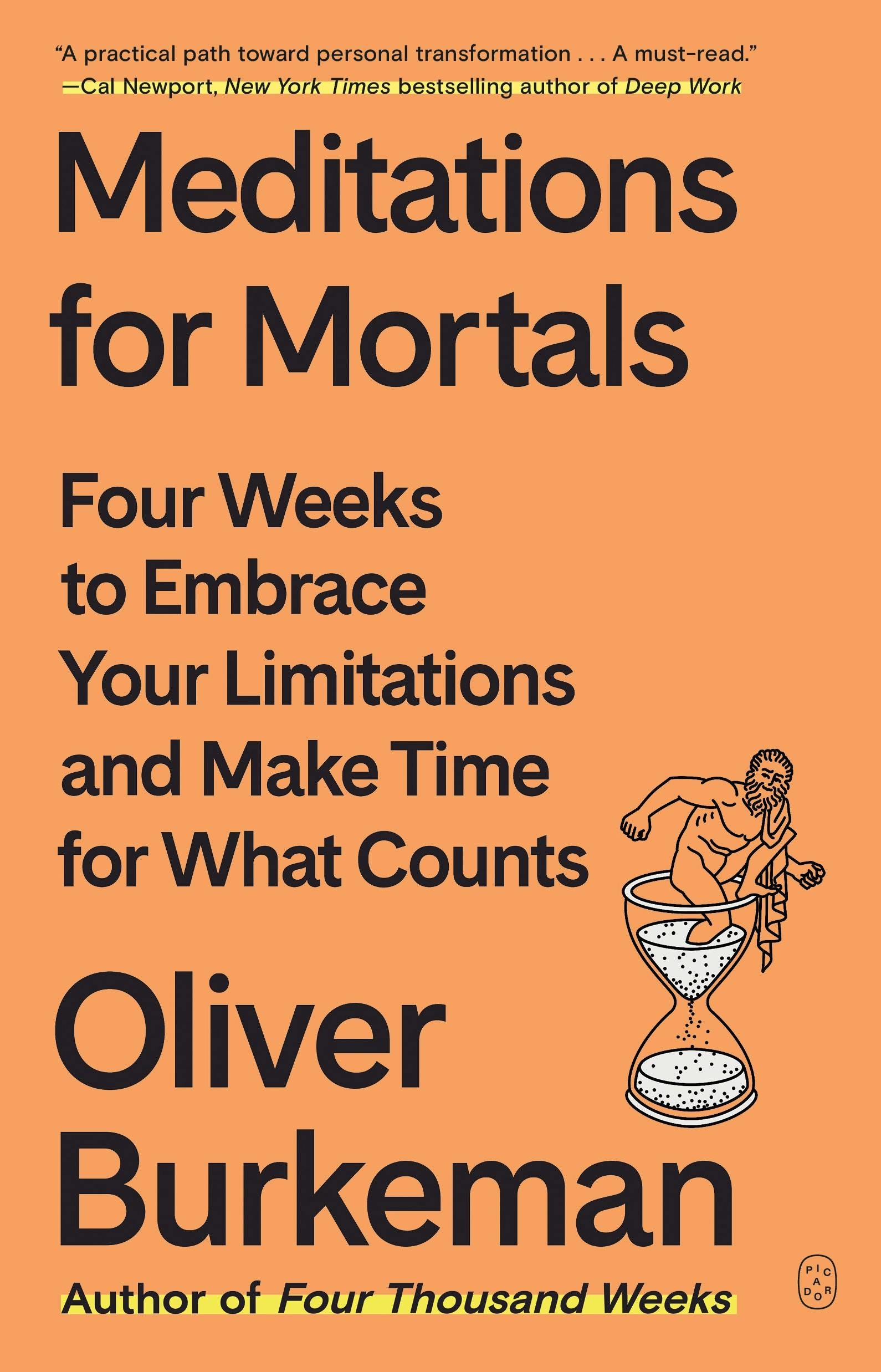
Meditations for Mortals: Four Weeks to Embrace Your Limitations and Make Time for What Counts by Oliver Burkeman (essays, philosophy)
I read this book one essay at a time before I went to sleep over four weeks. I wanted my brain to process through Burkeman's ideas, which are really summaries and insights from other philosophers and thinkers.
I can't say that I woke up with any epiphanies, and yet I am thankful that I read the book. Burkeman's penchant for tweetable sentences are balanced with vulnerability and true wisdom.
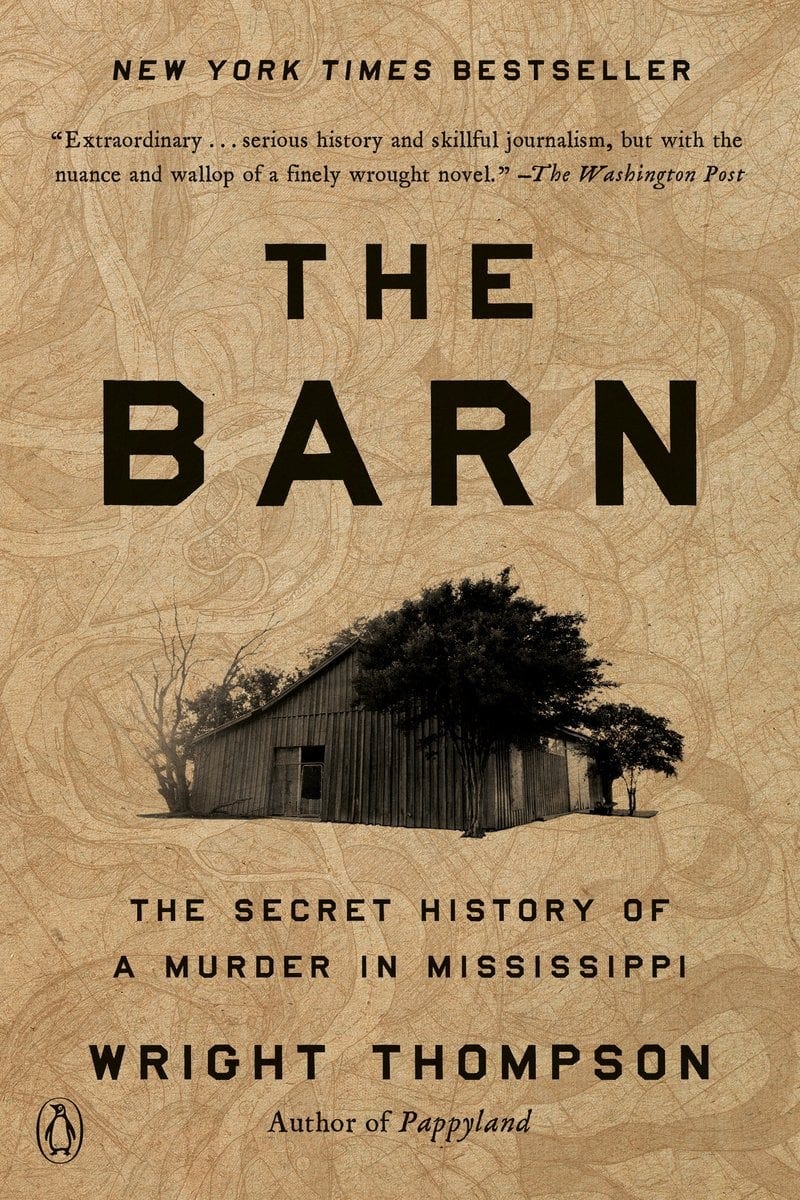
The Barn: The Secret History of a Murder in Mississippi by Wright Thompson (history)
Thompson, a journalist, comes back home to exhume what his hometown is known for: the lynching of Emmitt Till at the hands of white men, for allegedly whistling at a white woman. He visits the barn where this happened, along with interviewing residents and reviewing historical records. Thompson wanted to understand how something like this could happen in a community. The conclusion: it can happen anywhere when people who commit a crime are not held accountable. Justice, both individual and social, and owning our responsibilities in helping shape our present and future are the antidote. Timely lessons for today.
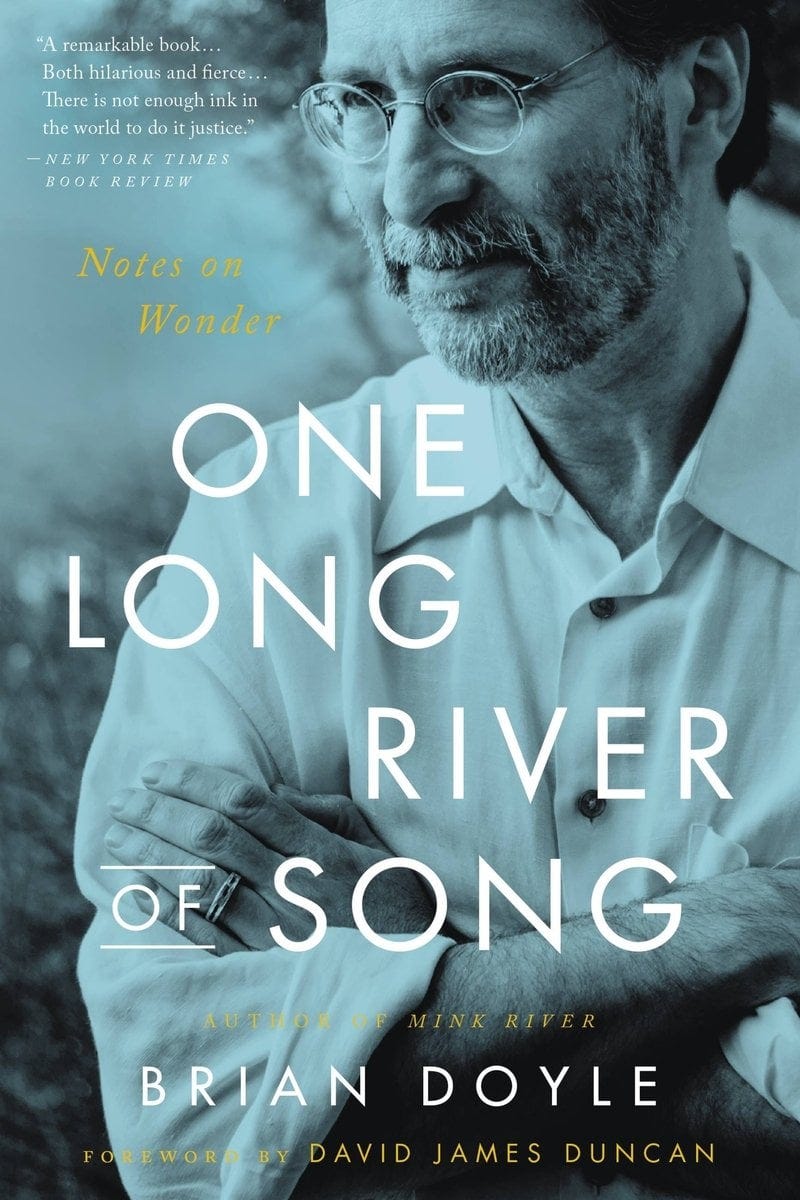
One Long River of Song: Notes on Wonder by Brian Doyle (essays, spiritual)
The late Brian Doyle was a beloved writer in the Northwest U.S. This collection of short essays was recommended to me by a friend living in that area. I read this book slowly, savoring each word. Doyle finds both delight and in the ordinary: voice is what unique: courageous, vulnerable, and uninhibited. One Long River of Song offers a reprieve from all the performative online (and possibly AI-generated) writing: an honest and subjective view of the world. I want to read more writers like Brian.
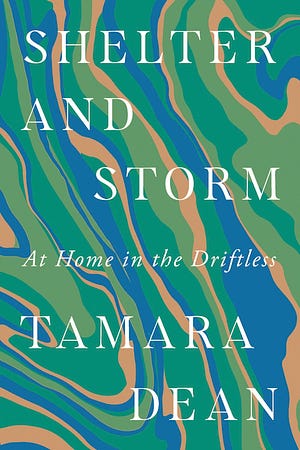
Shelter and Storm: At Home in the Driftless by Tamara Dean (essays, environment)
A powerful set of essays, using the driftless region of Wisconsin as the context to understand the impact of climate change. It’s similar to Doyle’s collection, sort of a memoir-in-essays. Dean shares the ups and downs of living within nature, for example building a mud brick home close to a flood plain. I have a greater appreciation for my role and influence within a community,
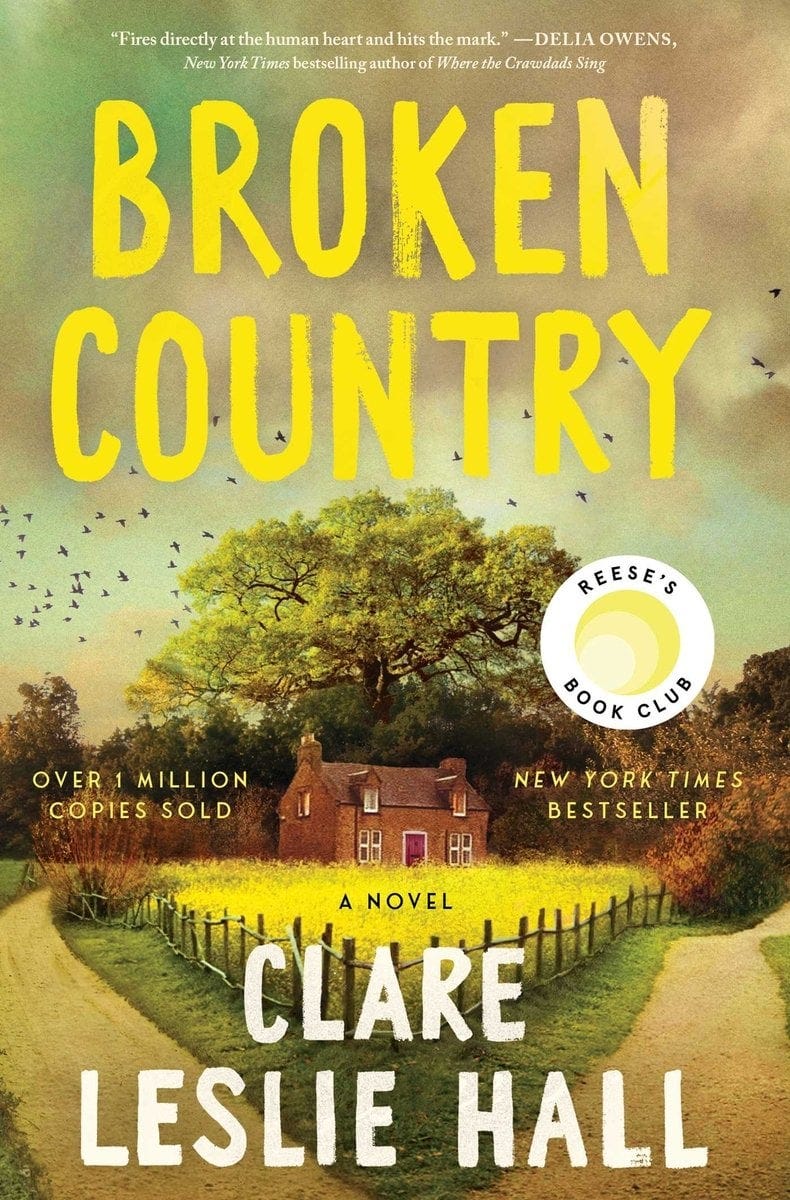
Broken Country by Clare Leslie Hall (historical fiction)
A historical/romance novel that spans a decade in the lives of two English families and how their pasts are still present. Hall goes back and forth in time, creating suspension through the structure. Class conflict and small town expectations influence characters’ choices and shape their fates. It’s well-paced, with timely twists that don’t feel forced. I also appreciated how there wasn’t the traditional hero/villain construct. No one is without fault and everyone has good intentions.
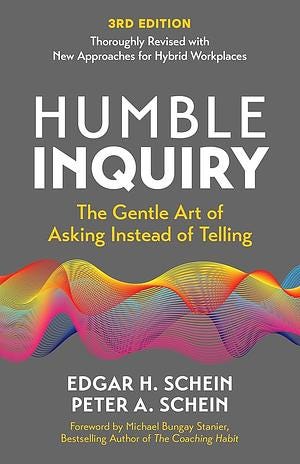
Humble Inquiry, 3rd Edition: The Gentle Art of Asking Instead of Telling by Edgar H. Schein and Peter A. Schein (business, leadership)
The authors provide a clear framework on how to be genuinely curious as a leader or a coach. The foundation of humble inquiry is coming from a place of wanting to truly learn about someone else and their circumstances. This seems uncommon today, where everyone is busy and focused on themselves. Considering that context, humble inquiry might be the key to standing out in a noisy world.
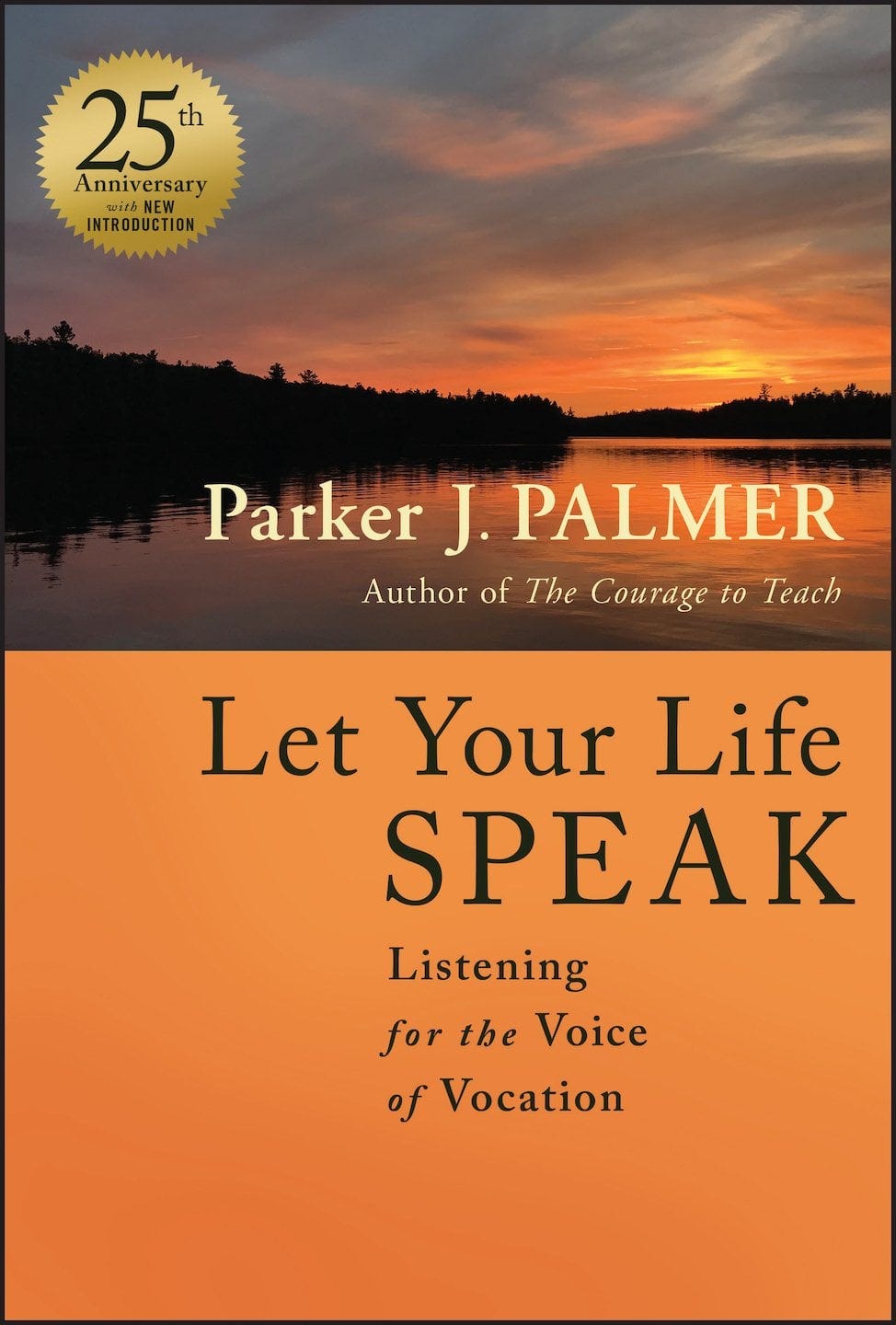
Let Your Life Speak: Listening for the Voice of Vocation by Parker J Palmer (essays, spirituality)
A short collection of essays that works as both a memoir and a motivational. Palmer relies on his natural style, balancing honesty and humility with deep wisdom about our nature as human beings in a complex world. His essay on his journey through depression is the author at his most honest and profound.
What have you read so far in 2026 that’s work recommending? Please share in the comments!
My reading life: I’m noticing a pattern…
This year, I started a new book tracking tool: Story Graph. It’s like Goodreads, except not owned by Amazon.
What’s the same: book reviews, to-read, currently reading/to-read lists, and challenges. What’s different: the visualizations of my reading life.
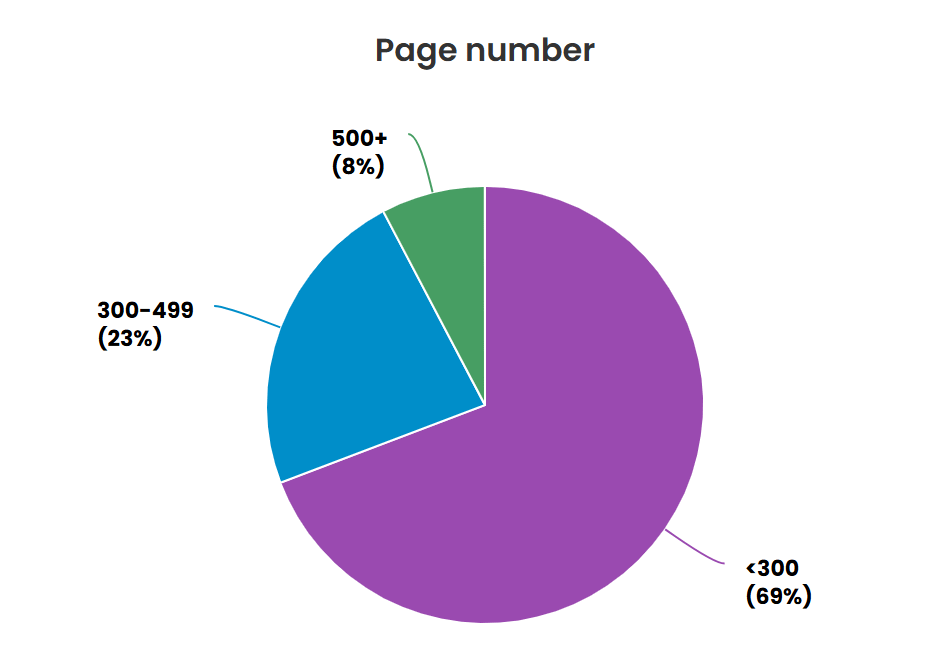
I am not surprised by the typical length of a book I read. Books over 500 pages are a commitment! If a book requires to hands to hold it up and read, that means I am saying no to other books. (I also think a lot of longer books could have simply used more editing.)
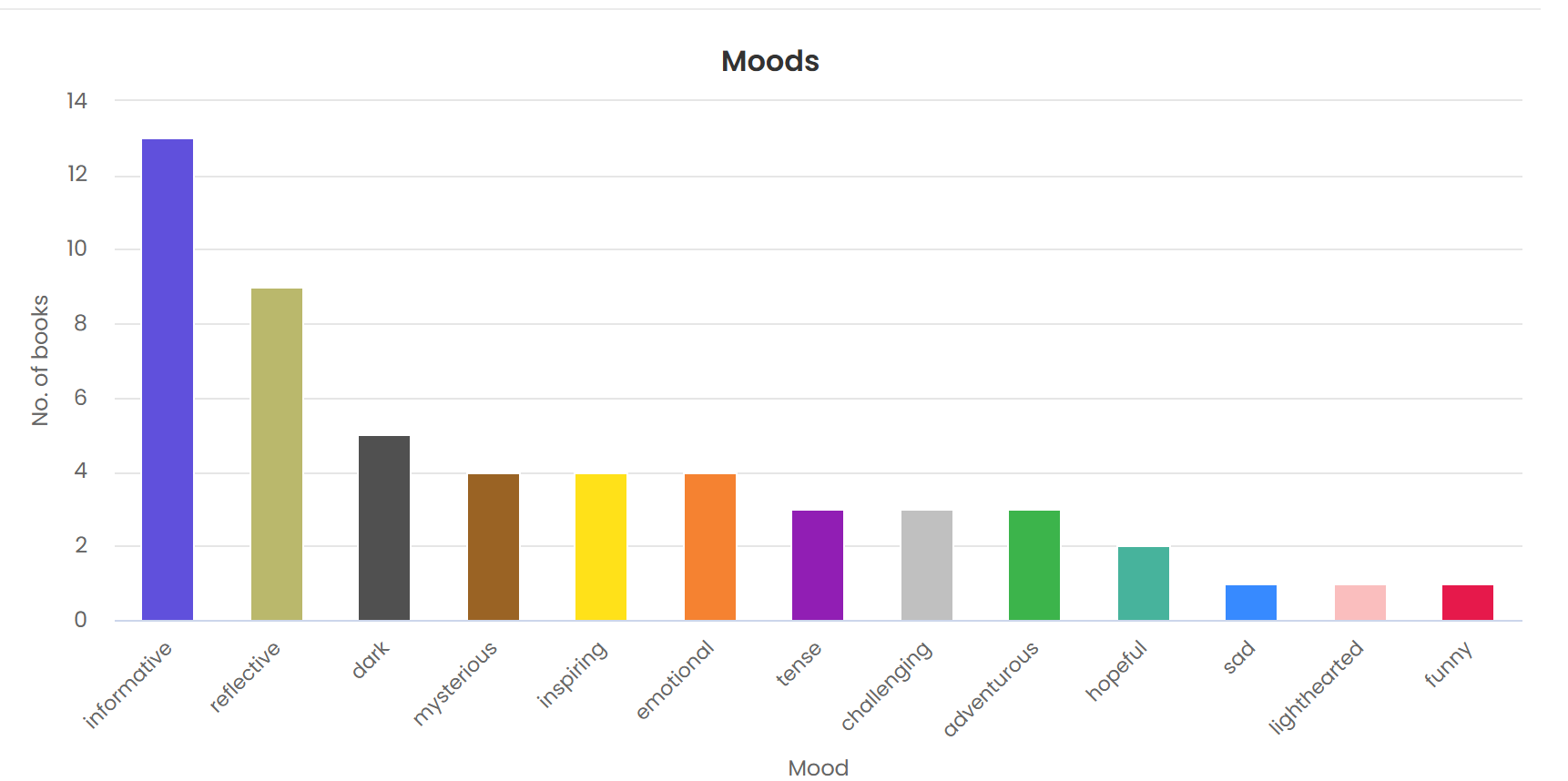
What’s more interesting to me is my mood chart. These describe the types of books I am reading. Do they reflect my own states of mind in 2026? Who I am? How can use this data to shape my reading life and life in general going forward?
While this data is interesting, it doesn’t tell me who I am as a reader. I can only answer the questions I posed in the previous paragraph through reflection on what I read and how I felt about the experiences.
For example, I noticed I have been reading more collections of essays recently. It’s intentional; I rewrote some previous articles and posts for a series on leading with authenticity and integrity (available next school year for full subscribers; see below).
I also think about how I learned about each of these books. In every case, I picked up and committed to a book because someone else recommended it. Maybe it was a colleague, friend, or family member directly suggesting it, or I read about it in a book review. I have agency in my choices, of course, based on my goals and values. And there have been plenty of books I’ve declined to pick up. But ultimately, my reading life is shaped by the people and the information I choose to surround myself with.
Which leads me to think about our students. They have less agency and choice in what to read and who recommends books to them. As teachers and leaders, we have an enormous responsibility in shaping our students’ reading lives. Our choices matter. Lack of quality literature and little time to read in classrooms is a choice. Yes, there are mandates and expectations, but there is also creativity and courage. The same is true for how we spend our time as leaders, walking into classrooms is its own version of choosing what we surround ourselves with.
Enjoyed this post? Share it with a colleague and on social media!
I made the StoryGraph switch, too. @barbn