When the System Becomes the Problem
How I am using AI as a thought partner, not a solution shortcut
👋 Hi, it’s Matt. Thanks for being a reader. I post about literacy and leadership.
If you are interested in more opportunities to learn, check out my upcoming webinar on March 5th, available to full subscribers. It’s based on my free guide, What School Leaders Need to Know About the Science of Reading.
I also offer support on creating effective workflows for busy educators, including how to build an AI thought partner, the subject of today’s post.
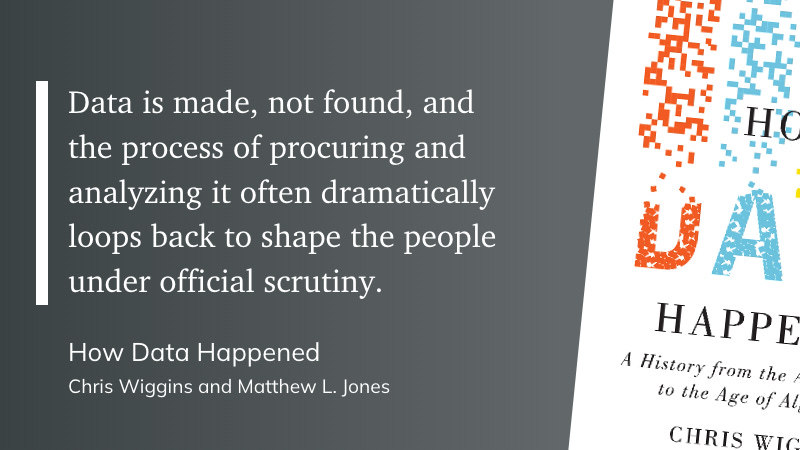
“The introduction of any new system of operation faces its greatest obstacles in changing the habits of people. . . . The human problems exceed the technical problems in complexity and in difficulty.”
- Chris Wiggins and Matthew L. Jones, How Data Happened
A teacher recently sent me an email that made me pause.
She was reflecting on questions I’d raised during a previous coaching session: How do we manage all of these tasks and processes? How do we organize all of these disparate docs and spreadsheets?
Her response was honest and insightful: “All the varying methods for managing data and information have unintentionally created other situations that then need managing. The system is complex.”
I’ve heard and observed versions of this in nearly every district I support. For example, a district requires all interventions to be administered with at least 80% fidelity. This is appropriate. But what happens to that student who is chronically absent due to factors outside the school walls? What kind of support will they receive if they have a genuine disability but their interventions don’t “count”? What process needs to be in place for those situations?
As a systems coach for an educational service agency, my job isn’t just to help schools implement systems of support; it’s to help them coordinate that work across teams, roles, and competing priorities. The technical side of MTSS is complicated enough. But the implementation work — tracking who owns what, where the data lives, how decisions get made — is often where schools become overwhelmed and quietly stop the process. This seems particularly challenging in rural schools, where a reading specialist or director of pupil services becomes the de facto MTSS coordinator with no additional time to do the work.
So when that email showed up in my inbox, I didn’t just write back. I started by thinking it through with AI.
AI as a Thought Partner
It’s tempting to just dive right into AI and ask it to solve a problem for us. For example, I could have asked Claude (my preferred AI tool) to build a collaborative hub for districts to manage their MTSS work. But it wouldn’t know their context or any frustrations staff are feeling.
Instead, I use AI as a smart colleague, someone I can think out loud with as I start building.
What makes this work is context. Next is how I set up this workflow.
A project in Claude is similar to a CustomGPT in ChatGPT or a Gem in Google Gemini.
I’ve set up a project in Claude specifically for my district coaching work. I gave it a description of what I do and how I think about systems. I uploaded relevant frameworks and deliverables — the actual literature that grounds my practice, including key passages I’ve captured from professional books I return to regularly. So when I bring a problem to Claude, I am not starting from zero with a generic tool. I am working with something that understands the work.
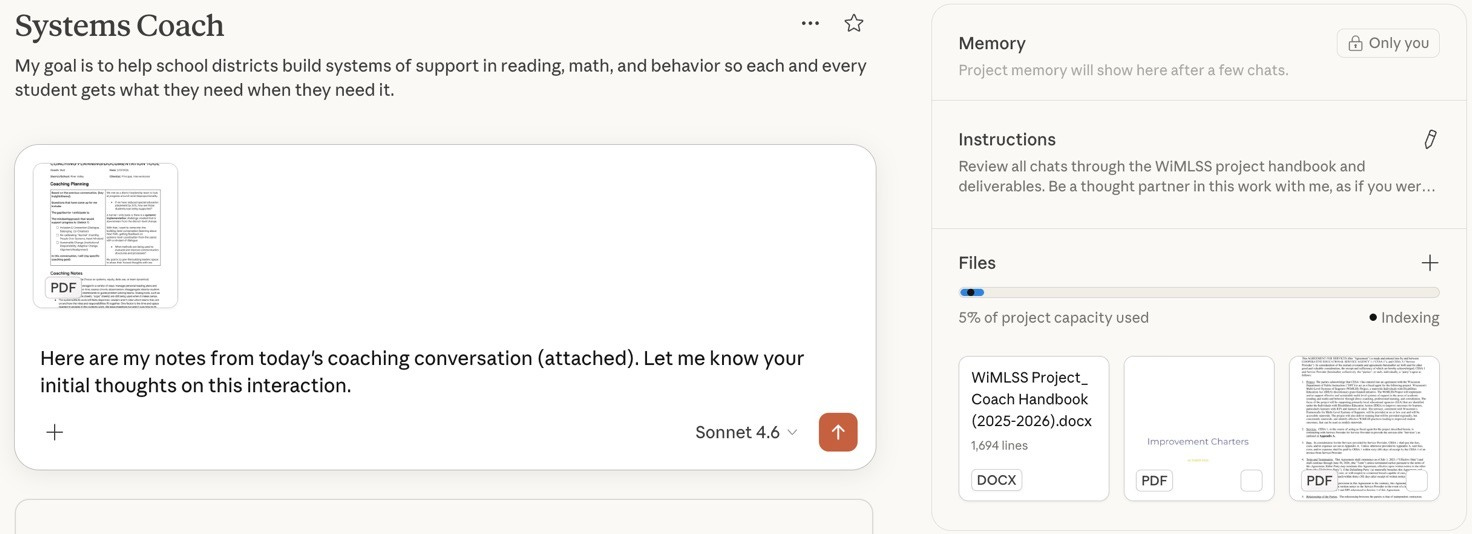
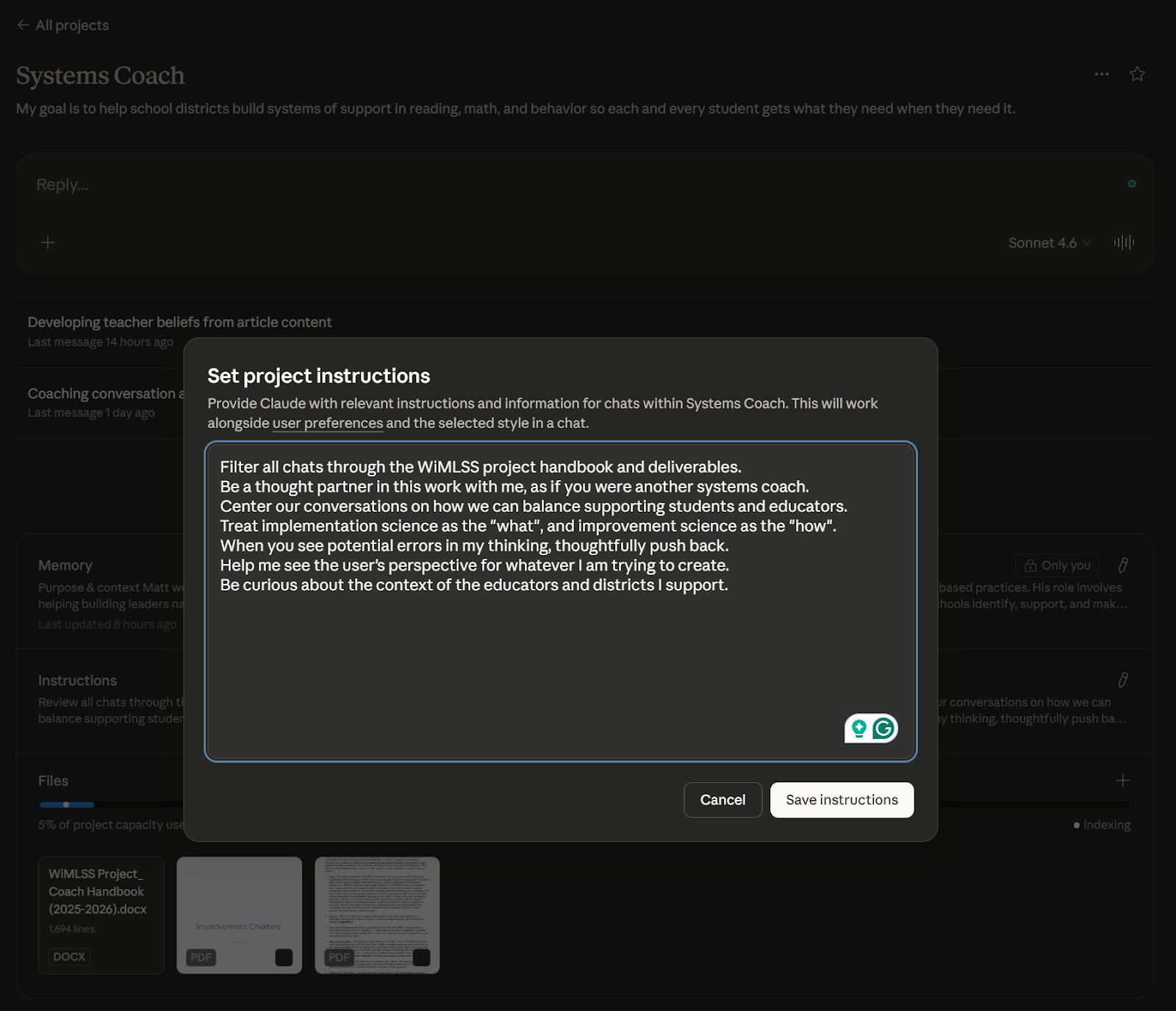
To help ensure Claude’s responses emulate a smart colleague, I write instructions for how I want it to behave. I update these instructions as needed, for example, to fine-tune them when I think Claude is pushing back too much.
I uploaded my notes with personal identifying information (PII) removed. From there, it is a conversation, not a delegation to do work on my behalf.
For example, I uploaded my coaching notes from the previously mentioned educator’s expressed frustration around the complexity of MTSS work. Then I asked Claude what some root causes of these challenges are. Was it a lack of communication between different levels of teams? Did they need a meeting protocol or template?
Claude could see I was heading toward “fix it” mode, thanks to the knowledge I previously uploaded about effective systems coaching. It pushed back (as instructed) and helped me to rethink the situation.
“This isn’t a technical problem. This is a shared mental model problem.”
My initial reaction to this response was defensiveness. I felt my idea of adding a communication protocol was excellent! But I saw my feelings for what they were - just feelings - and what it might be saying about my mindset. Was I operating as a coach or a consultant? Recognizing this dilemma, I continued reading its response.
“So before you design anything for them, I’d wonder: what would it look like to ask them to draw a map? Put a blank org chart in front of them and say, ‘Show me how your problem-solving teams connect.’ Their drawing will tell you more than any tool you could build.”
Claude was guiding me to remain in “learning” mode, to continue to be curious and seek to understand at a deeper level what was happening. Through this mapping activity, I can envision leaders seeing how a decision at one level might create new challenges downstream. This could lead to analyzing other areas of their organization through a more critical lens.
Why This Matters for Literacy Leadership Work
In the world of implementation and improvement science, I see many posts about this work from a technical perspective. Evaluate your systems, analyze the root cause, and conduct a plan-do-study-act. Great tools and processes, but they can act like a veneer that covers the humanness that needs to be acknowledged and understood for the work to move forward.
We also talk a lot about AI as a productivity tool. Type a prompt, get a product. But that framing misses something important, especially for coaches and specialists doing complex, relationship-based work: AI can become just another tool that doesn’t consider the perspectives of the people we support. It shuts down our humility and curiosity in favor of solutions.
The most useful thing AI has done for me isn’t saving time or doing work I’d rather not. It’s helped me slow down and think more clearly before I act, which is exactly what I’m trying to help the districts I support do too.
If you’re a coach, a reading specialist, or an MTSS coordinator drowning in disparate systems, the question isn’t whether AI can give you a solution. Does this tool actually help you think about your work more carefully and provide better support for teachers, leaders, and students?
By setting up AI to be a thought partner and smart colleague before using it, the answer is yes.
Enjoyed this post? Let me know what resonated with you in the comments, or simply reply to this article via email. You can also restack this post, print it, and share it with colleagues online.
What I’m Reading: How Data Happened
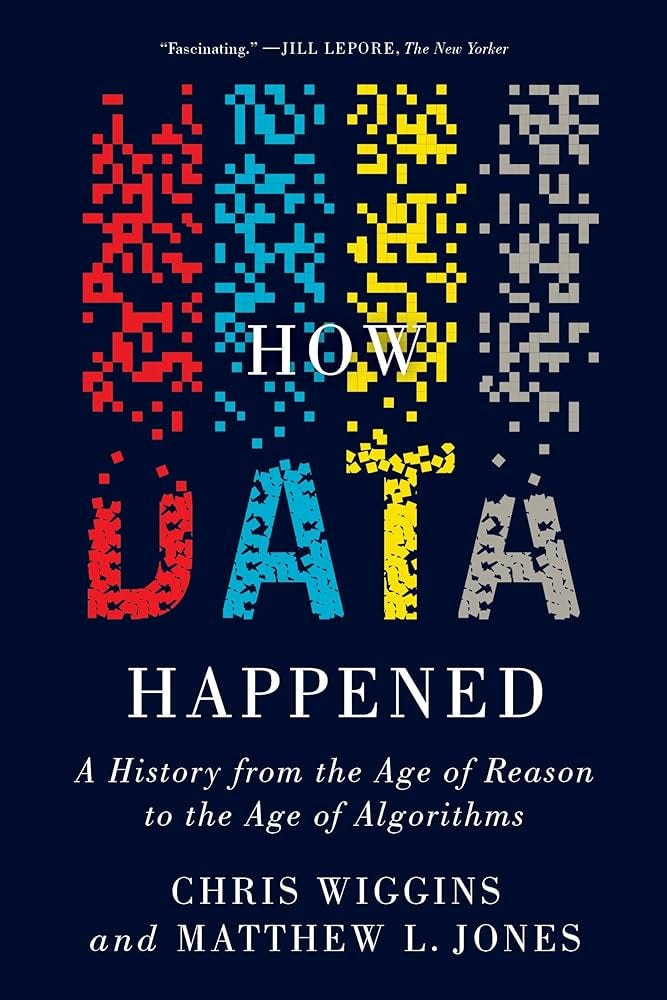
I am reading this book as part of a data management course I am currently taking. The history on this topic, from the birth of statistics to the present day debates about social media, is more interesting than I predicted (no pun intended :-). Reading it now feels especially relevant with the advent of AI in our lives.
A favorite quote: